




New National Regulation on Major Electric Power Hidden Hazards: Transformer Oil & Gas Monitoring Indicators Listed as Core Determination Criteria
On April 9, 2026, the official website of the National Development and Reform Commission (NDRC) formally issued Decree No. 41 of 2026, Provisions on the Determination Standards for Major Hidden Hazards in Electric Power and the Administration of Their Rectification and Supervision (hereinafter referred to as "the Provisions"), which shall come into force on July 1, 2026.
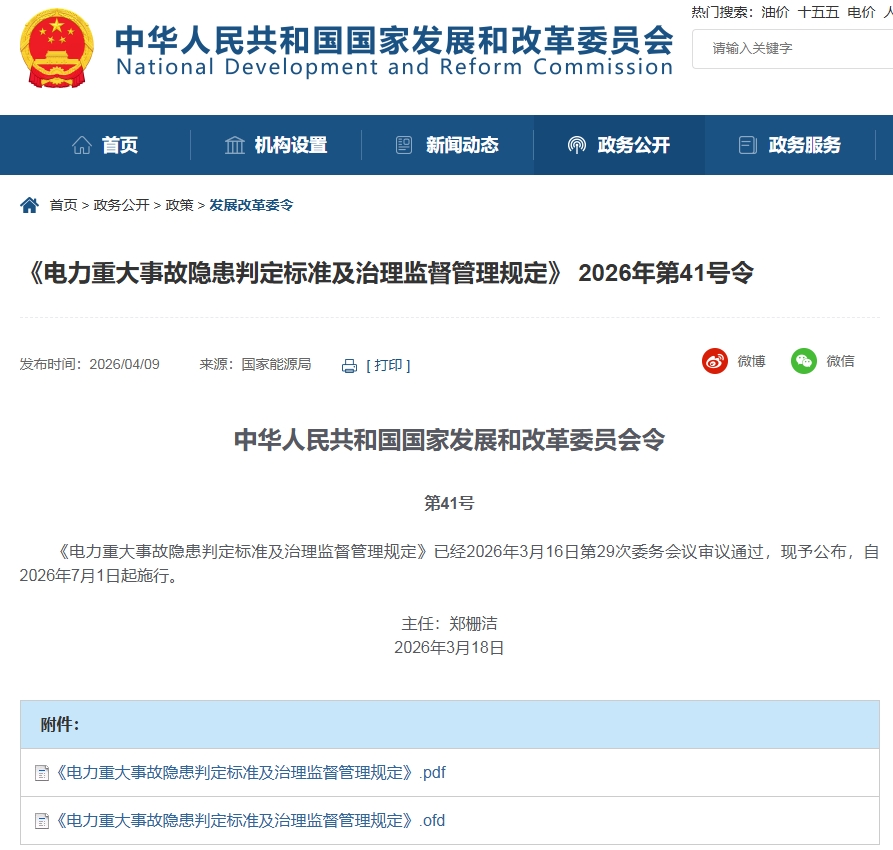
I. Core Requirements of the New Provisions: Transformer Oil and Gas Indicators Can Directly Determine Major Hidden Hazards
The Provisions is China's first mandatory special regulatory document at the national level governing the determination, investigation and rectification, as well as supervision and administration of major hidden hazards in the electric power sector. Article 5 of Chapter II of the Provisions specifies with absolute quantitative indicators that a major hidden hazard in the power grid or electric power equipment and facilities shall be determined if "the monitored acetylene content in transformers (converter transformers) of ±800kV DC, 1000kV AC and above reaches 5μL/L, or the weekly increment exceeds 2μL/L; or the hydrogen content exceeds 450μL/L; or the total hydrocarbon content exceeds 450μL/L". This standard elevates the safety monitoring of key electric power equipment such as transformers to an unprecedented height, and draws a quantifiable and rigid regulatory red line for the determination and rectification of major hidden hazards of electric power accidents in China.
The Provisions establishes an electric power safety governance system featuring clear determination criteria, well-defined responsibilities, closed-loop processes and rigid penalties, requiring electric power enterprises to set up a sound equipment condition monitoring mechanism and implement a "zero tolerance" policy for major hidden hazards. This has completely put an end to China's previous regulatory model of "ambiguity, advisory nature and non-mandatoriness" for dissolved gas analysis (DGA) in transformer oil, and will profoundly reshape the competitive landscape and technological development path of China's transformer condition monitoring industry, while bringing historic development opportunities to the sector.
II. Rigid Responsibilities Implemented by the New Provisions: Inescapable Principal Responsibilities of Enterprises
The Provisions builds a full-process closed-loop management system of "investigation - reporting - rectification - assessment - accountability". It defines the principal person in charge of an electric power enterprise as the first person responsible for the investigation and rectification of major hidden hazards within the entity, and requires electric power enterprises to establish a series of systems for the investigation, rectification and reporting of major hidden hazards. It explicitly stipulates the following key requirements: when an electric power enterprise discovers a major hidden hazard, it must report to the regulatory authority within 3 working days; if safety cannot be guaranteed before or during the elimination of the major hidden hazard, the enterprise shall suspend construction, production or business operation, or shut down the equipment and facilities with the major hidden hazard; explicit penalty provisions are formulated for the principal persons in charge and management departments of enterprises.
With this, dissolved gas analysis (DGA) in transformer oil is no longer a mere "maintenance technical issue", but a "compliance and liability issue" that touches the red line of power grid safety production. Power grid enterprises and power generation enterprises must shift their operation and maintenance strategy from "passive equipping for auxiliary maintenance" to "active monitoring for risk prevention and control". High-precision and high-reliability on-line monitoring equipment for transformer condition is no longer an optional auxiliary device for transformer safety, but a "necessity" for the prevention and control of major hidden hazards of transformers, subject to mandatory procurement and deployment.
III. Focus on Core Power Grid Assets: Accelerated Breakthrough in Domestic Substitution of Transformer Oil and Gas Monitoring
The Provisions will directly drive the rigid demand for the upgrading and transformation of existing monitoring equipment for UHV transformers, as well as the standard configuration demand for incremental UHV equipment. The huge demand for compliance upgrading of existing equipment and the continuously growing demand for supporting incremental equipment have provided a deterministic market foundation for the transformer condition monitoring industry.
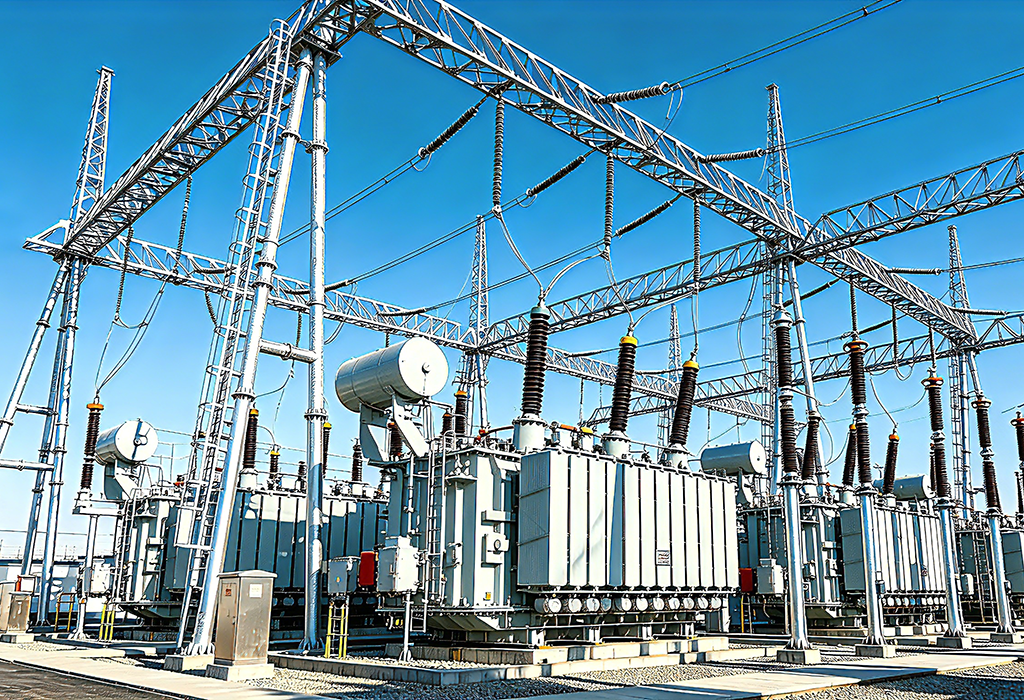
The Provisions focuses on the oil and gas monitoring of transformers (converter transformers) of ±800kV DC, 1000kV AC and above. Such equipment is the core carrier of the national West-East Power Transmission Strategy, the core equipment of China's UHV backbone grid, and a key hub for the cross-regional optimal allocation of resources in the new-type power system. By the end of 2025, China had completed 39 UHV projects, with the stock of UHV transformers/converter transformers exceeding 1,000 units. Up to now, there are 49 UHV projects under construction and in operation in China, and 4 UHV projects in operation under China Southern Power Grid (CSG). During the 15th Five-Year Plan period, the State Grid Corporation of China (SGCC) plans to invest 4 trillion yuan in power grid construction (a year-on-year increase of approximately 40%). In 2026, it is scheduled to approve and commence the construction of 12 UHV projects, with the scale of new equipment continuing to expand.
The massive market demand has boosted the momentum of enterprises in technology and product research and development, and the domestic substitution of the industry is set to witness a historic explosion. The Provisions puts forward stringent requirements for the detection accuracy, response speed and long-term stability of acetylene and other gases, directly driving the iterative upgrading of the industry's technical routes. At present, most oil and gas monitoring products on the market are based on traditional gas chromatography (GC) technology, which has inherent shortcomings including the need for carrier gas, high consumable consumption, frequent maintenance and long detection cycle, making it difficult to meet the requirements of the Provisions for continuous monitoring of weekly increments.
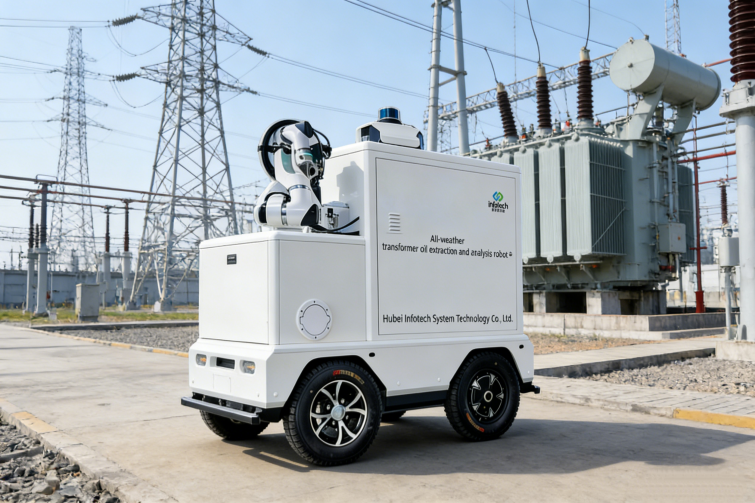
A new generation of laser photoacoustic spectroscopy (PAS) technology products, represented by those developed by Hubei Xinyingtai System Technology Co., Ltd., will make important contributions to technological independence and domestic substitution of products in the industry. PAS products feature no consumables, a limit of detection as low as 0.1μL/L, and a high-frequency detection cycle as short as 10 minutes, which perfectly adapts to the core requirements of the Provisions for real-time monitoring and increment tracking of acetylene content, and has become the mainstream technical route in the industry.
IV. Photoacoustic Spectroscopy Transformer Oil and Gas Monitoring Device: The "Intelligent Early Warning Radar" for Transformer Safety
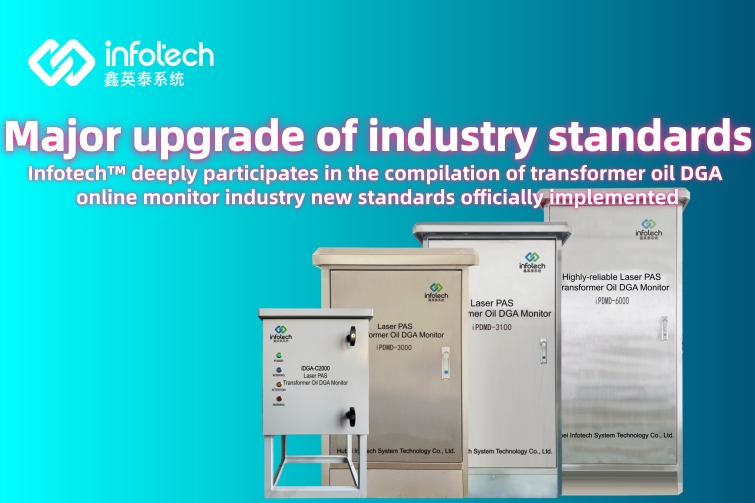
With the impending implementation of the Provisions, the series of laser photoacoustic spectroscopy on-line monitoring and early warning devices for dissolved gas in transformer oil developed by Hubei Xinyingtai System Technology Co., Ltd. based on the new generation of PAS technology are precisely adapted to the high-precision and high-reliability monitoring requirements of power transformer oil and gas. They can fully comply with the monitoring and determination criteria specified in the Provisions on the Determination Standards for Major Hidden Hazards in Electric Power and the Administration of Their Rectification and Supervision, making them an ideal choice for electric power enterprises to address the upcoming challenges.
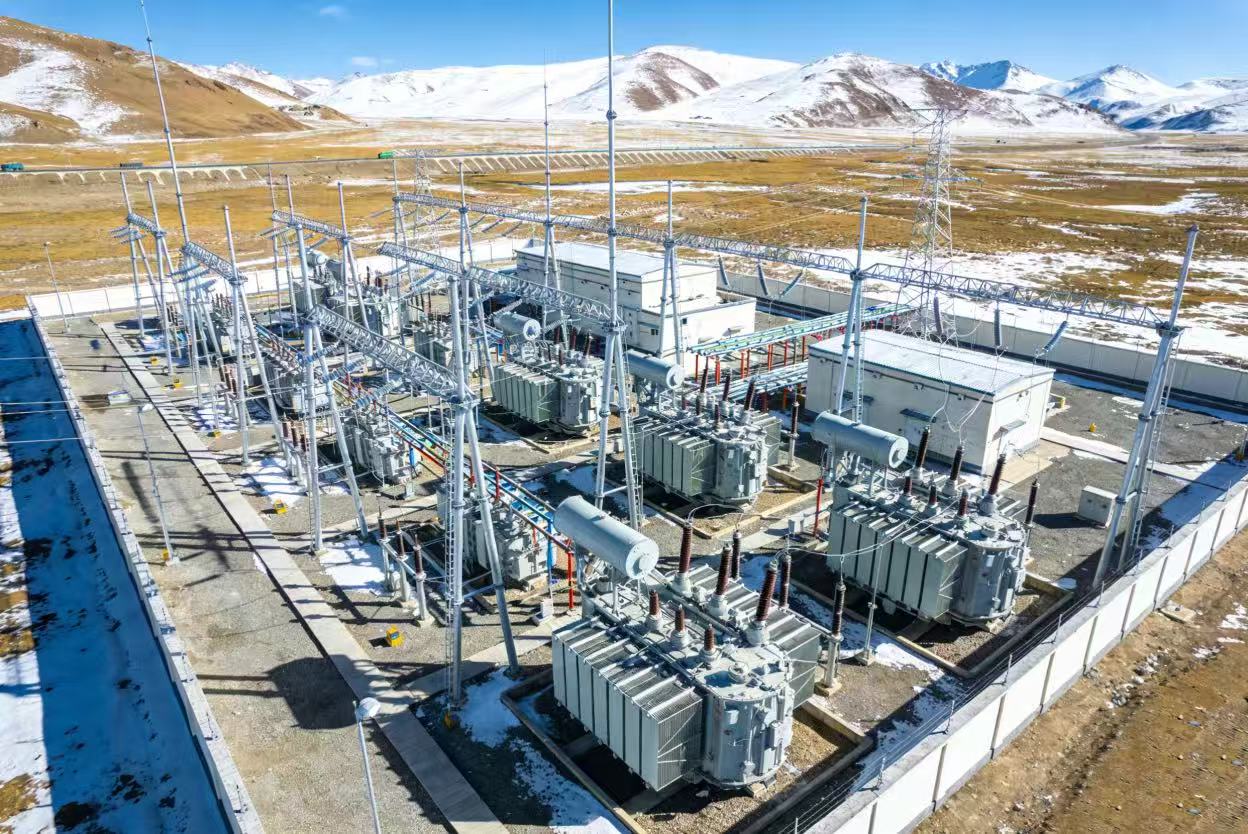
- High-Precision Monitoring: It realizes continuous on-line detection of fault characteristic gases such as acetylene, ethylene, methane, hydrogen, as well as micro-water content with ppm (μL/L) level accuracy, with data directly aligned with the hidden hazard determination thresholds specified in the Provisions.
- No Carrier Gas Required, No Cross Interference: It addresses the core pain points of gas chromatography technology-based products and realizes long-term stable operation.
- Rapid On-Line Detection and Response: It enables one-time detection of 7 types of gases and micro-water content, with a minimum detection cycle of less than 1 hour for rapid detection and calculation of total hydrocarbon content; the detection and data output for acetylene alone can be completed within 10 minutes at the fastest.
- UHV-Grade Reliability: The device meets and exceeds the Class A product standard for UHV projects at the highest level, and has been applied in SGCC's UHV projects.
- Compliant Detection and Proactive Risk Mitigation: It accurately captures the threshold values of key indicators such as acetylene and hydrogen clearly specified in the Provisions, ensuring accurate early determination of major hidden hazards. Equipped with an intelligent diagnostic algorithm and management system platform, it provides early warning of latent faults, realizing the shift from "post-fault emergency repair" to "pre-fault early warning", and avoiding major accident hazards caused by the faulty operation of transformers.
V. Countdown to Compliance: What Actions Should Electric Power Enterprises Take?
With the full implementation of the NDRC's Provisions approaching, China's safety management of electric power equipment is entering a new stage of development. Transformer oil and gas monitoring devices are no longer optional configurations, but a necessary means for electric power enterprises to achieve compliant operation and prevent major accidents. With less than 3 months left before the implementation of the new Provisions, electric power enterprises can conduct a comprehensive self-assessment and take the following actions in response to the new requirements:
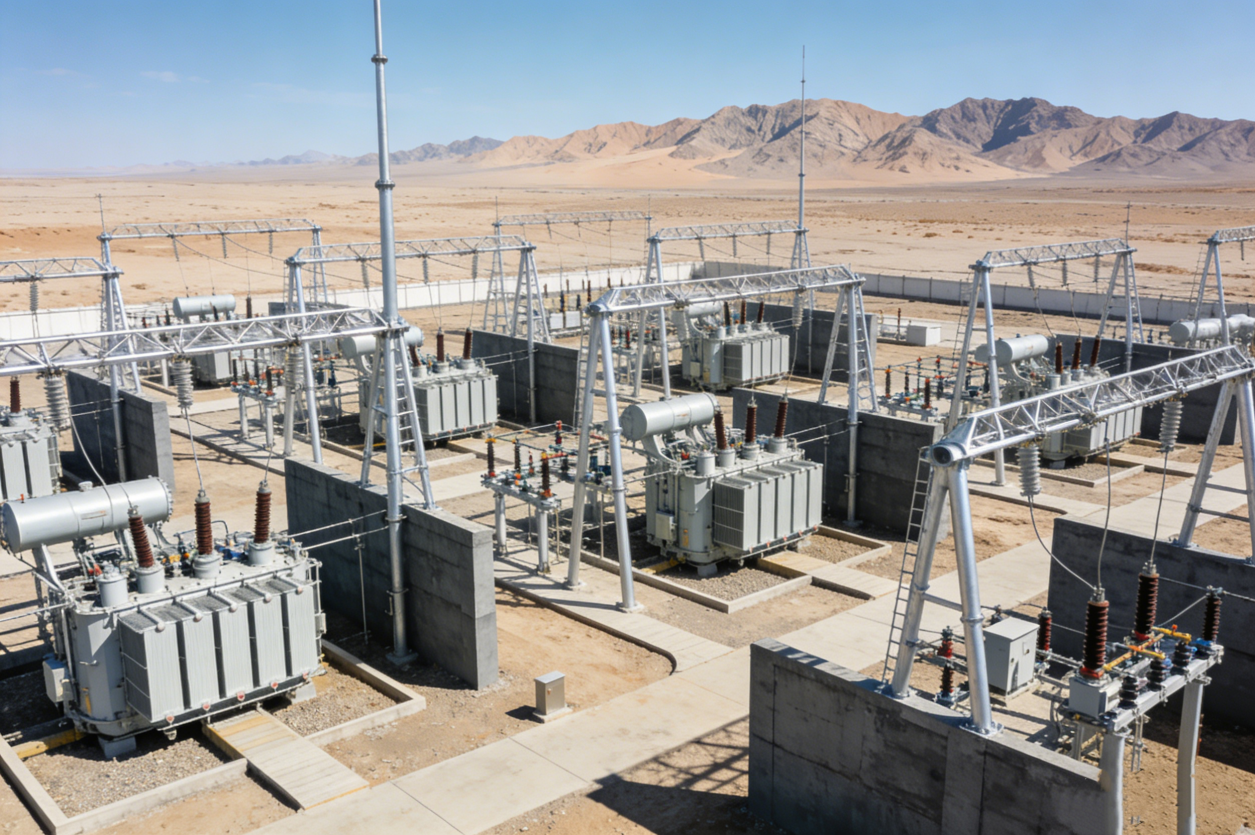
- Conduct a comprehensive assessment of the existing monitoring system, and identify and fill gaps against the standards of the new Provisions.
- Prioritize the deployment of a new generation of on-line monitoring devices based on photoacoustic spectroscopy technology, establish a closed-loop hidden hazard rectification mechanism, and ensure effective linkage between monitoring data and emergency response plans.
- Strengthen personnel training to improve the ability of analysis and interpretation of oil and gas monitoring data.
Relying on its leading photoacoustic spectroscopy sensing technology and reliable engineering application technology, Xinyingtai has independently developed and launched transformer oil and gas monitoring and early warning devices, providing professional, compliant, efficient and reliable transformer oil and gas monitoring solutions for various power users. It helps enterprises strictly adhere to the safety bottom line of power grids and electric power equipment, and successfully complete the investigation and rectification of hidden hazards as well as compliance acceptance.
Related Posts